Skip to content
TwinsUK
MENUMENU
  • About Us
        • About Us

        • Our History
        • Mission & Vision
        • Meet the Team
        • Jobs & Opportunities
        • Governance & Leadership
  • Our Research
        • Our Research

        • Research Areas
        • Twinsuk Publications
  • Researchers
        • Researchers

        • Collaborations
        • Explore our Data and Samples
          • Data Linkage for Researchers
          • External Repositories
        • Access Data and Samples
          • Access Requests
          • Approved Requests
        • Publishing Your Research
        • Data Access Costs
        • Software
  • Participants
        • Participants

        • Join TwinsUK
        • Participate
          • Why Participate?
          • Twin Visit
          • Study Cycle
          • Data Linkage for Participants
          • Listening to you
        • Our Commitment to Diversity
        • Twin Information
        • Voluntary Advisory Panel
        • Twin stories
        • FAQs
        • Newsletters
  • News & Engagement
        • News & Engagement

        • Latest News
        • Blogs
          • Research News
          • Twin Blog
        • Newsletters
        • Public Engagement
          • Events
        • Media
        • Videos
        • Events and Gallery
          • 30th Anniversary
          • Twin Parties
  • Support Us
  • Contact Us
        • Contact Us

        • General enquiries
        • Media enquiries

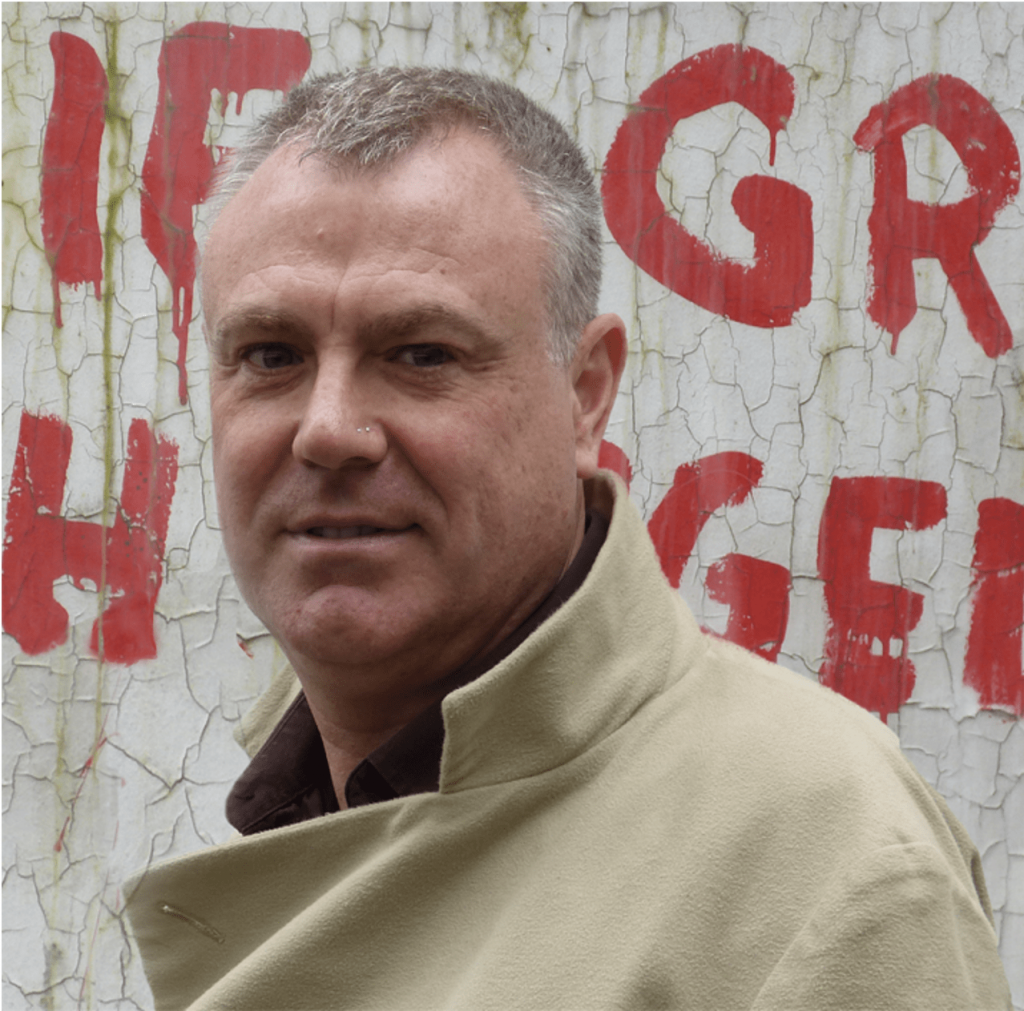
In conversation with Stephen Oram: Imagining a healthier future through science fiction

How can science fiction help us better understand the future of health? 

We sat down with Stephen Oram, author of My Vagus Proxy, to explore how storytelling and science come together to imagine new possibilities for health and society. 

Stephen’s latest story, developed in collaboration with TwinsUK Head of Department, Claire Steves, is rooted in real scientific conversations around the gut-brain connection and mental health. Inspired by emerging research, the story considers how diet, well-being, and our relationship with the environment could shape future societies. 

Their collaboration began through a King’s College London project, Strange Brains, Alien Minds, led by Dr Christine Aicardi, where Stephen Oram and Claire Steves first connected. After a couple of coffees getting to understand each other’s perspectives, Stephen visited TwinsUK to explore the idea of writing a near-future story inspired by ongoing research. During his visit, he spoke with researchers and spent time with a pair of twins entering the study, an experience that led him to write Zygosity Saves the Day, a story that touches on twinship while exploring different possible approaches to healthcare in the future. Since then, they have continued to collaborate on a range of applied science fiction projects, bringing together research and storytelling to explore possible futures. 

“The science in the story is solid,” Stephen explains, highlighting the importance of working closely with researchers to ensure plausibility. “If you have access to scientists, you can understand what’s really happening, not just what’s reported. Place that science within a story in the near future and you’ve cracked it.” 

One of the defining aspects of My Vagus Proxy is its optimistic lens. Instead of focusing on dystopian futures, Stephen explores what he calls a “thrutopic” approach, emphasising the journey towards positive change. The story imagines how governments and societies might use scientific insights, such as the link between gut and mental health, to improve well-being on a broader scale. “I’ve been interested for a while about the connection between gut and mental health and wanted to explore that more. I’m also interested in how we can reverse a debilitating sense of doom about the environment – physical and mental – that we’re currently living in.” 

Stephen also reflects on the value of collaboration in his writing. Working with scientists, he says, doesn’t limit creativity; it enhances it. “One of the key things I’ve learnt is not to be anxious that working with scientists and specialists will constrain the imagination. In fact, it can be the opposite. Many of the scientists in these collaborations have inspired and sparked elements of a story that I wouldn’t have arrived at on my own.” 

As science fiction increasingly intersects with real-world research and policy, Stephen sees growing potential for storytelling to open up discussions about the future, not to predict it, but to explore possibilities. “There seems to be an ever-increasing interest in the use of applied science fiction by government, policy makers, academic public engagement and others. This is foresight not prediction” 

My Vagus Proxy will be featured at the 2026 UK Sci-Fi Convention in Birmingham and included in the Best of British Science Fiction 2025 anthology. Stephen is also contributing to global conversations on future thinking, including the Dubai Future Forum. 

« International Women’s Day: Celebrating Women in Science at TwinsUK 

Recent News

  • In conversation with Stephen Oram: Imagining a healthier future through science fiction
  • International Women’s Day: Celebrating Women in Science at TwinsUK 
  • New research reveals how genes shape responses to the environment
  • International Women’s Day: 34 Years of Science, Sisterhood and Twins
  • People's gut bacteria worse in areas with higher social deprivation

Department of Twin Research & Genetic Epidemiology
King’s College London
St Thomas’ Campus
3rd & 4th Floor South Wing Block D
Westminster Bridge Road
London SE1 7EH

Twins/general public: +44 (0) 20 7848 4444

Twins/general public: twinsuk[at]kcl.ac.uk
Scientific community: victoria.vazquez[at]kcl.ac.uk

Useful Links

  • Join TwinsUK
  • Our Team
  • Publications
  • Public Engagement
  • Privacy/Terms & Conditions
  • Our Research
  • News & Blog
  • Contact Us

Follow Us

  • X
  • Facebook
  • Instagram
  • LinkedIn

© 2024. Department of Twin Research & Genetic Epidemiology, King's College London, UK All Rights Reserved

Close Menu
  • Home
  • About Us
    • Our History
    • Mission & Vision
    • Meet the Team
    • Jobs and Opportunities
    • Governance & Leadership
  • Our Research
    • Research Areas
      • Ageing
      • Genetic Research
      • Nutrition
      • Microbiome
      • Omics
      • COVID-19
    • Publications
      • TwinsUK publications
  • Researchers
    • Explore our Data and Samples
      • External repositories
      • Data linkage
    • Access Data and Samples
      • Access Requests
      • Approved Requests
    • Publishing Your Research
    • Data Access Costs
    • Software
  • Participants
    • Join TwinsUK
    • Participate
      • Why Participate?
      • Twin Visit
      • Listening to you
      • Study Cycle
    • Twin Information
    • FAQs
    • Newsletters
    • Twin stories
  • News & Engagement
    • Latest News
    • Blogs
      • Research blogs
      • Twin blogs
      • TwinsUK
    • Public engagement
      • Volunteer Advisory Panel
      • Science Events
    • Media
    • Videos
    • Events and Gallery
      • 30th Anniversary
      • Twin Parties
    • Newsletters
  • Support Us
  • Contact Us
    • General enquiries
    • Media enquiries
×

    Study Title
    Study content will be loaded here...