
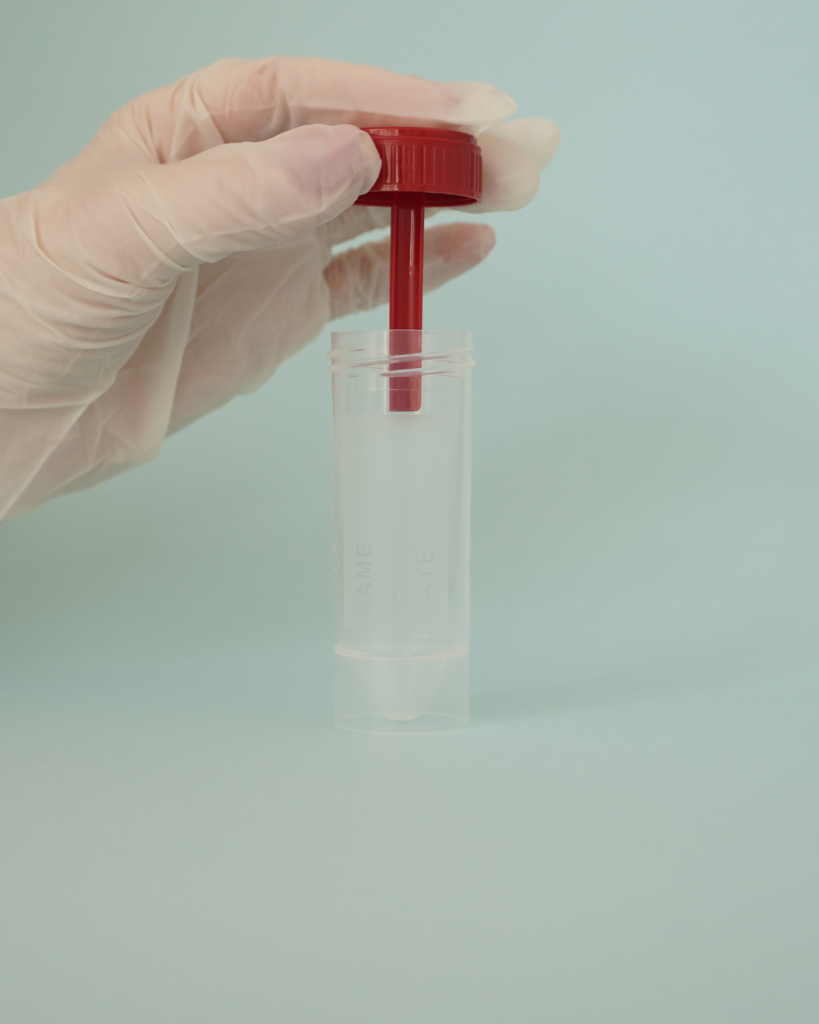
Inside the gut: what our poo could tell us about our diet, gut microbes and health
4th December 2025 – by King’s College London
A new study involving TwinsUK participants has shown that molecules found in stool samples can give a detailed picture of what we eat and how our gut microbes respond — offering a promising new way to study nutrition and its impact on health.
It is well known that diet plays an important role in health and disease, and increasing research suggests that the diversity of microbes in the gut is also linked to certain diseases. Changes in our diet alter how our gut microbes function, changing the metabolites they produce. Therefore, studying these compounds and understanding how gut microbes respond and interact with the food we eat could help to develop personalised dietary strategies to modify the gut microbiome and improve health.
The researchers analysed data from 2,647 participants across two large UK cohorts, TwinsUK and ZOE PREDICT1, integrating data on 650 faecal metabolites, data on gut microbe species, and detailed dietary information from food consumption questionnaires. Using machine-learning approaches, they found that metabolites in stool reflected the intake of 10 different food and beverage groups, including meat, nuts, wholegrains, and tea and coffee, as well as overall adherence to healthy or unhealthy dietary patterns.
The study, published in Nature Communications, also identified over 400 associations between specific food groups and metabolites. Over half of these associations were positive, meaning that increased intake of certain food groups led to an increase in specific metabolites in the stool. This suggests that the metabolites may either come from the food directly or are made when the microbes interact with and break down the foods. The team identified more than 2,500 links between gut microbial species and over 90% of the diet-associated metabolites in faeces, with a quarter of these dietary-related metabolites also correlating with the overall diversity of the gut microbial ecosystem.
Robert Pope, PhD student at King’s College London and lead author of the paper, said:
“Measuring diet and how the gut microbiome responds to different foods is challenging. Analysing compounds in stool provides insights into what people eat and how the gut microbiome metabolises food differently, highlighting its role in health.”
Among the dietary measures examined, stool metabolites were most accurate at measuring adherence to the DASH (Dietary Approaches to Stop Hypertension) diet. Because the DASH diet is known to benefit heart health, the researchers explored whether faecal metabolites could also predict the 10-year risk of cardiovascular disease.
When models used only the DASH diet score and body mass index (BMI) to predict cardiovascular disease risk, they showed moderate accuracy. In contrast, models using faecal metabolites and BMI performed better, accurately distinguishing individuals at higher and lower cardiovascular disease risk. The findings suggest that the mix of metabolites in stool may provide a powerful indicator of future heart disease risk, potentially offering more insight than diet scores alone.
Dr Mario Falchi, Reader in Computational Medicine at King’s College London and co-senior author of the paper, said:
“By analysing the chemical fingerprints left by our diet in the gut, we can identify which food-derived molecules nourish the microbiome and promote their production of beneficial compounds – guiding the development of prebiotics that support both gut and overall health, regardless of diet or food access.”
Importantly, the team found that a smaller group of metabolites (54 of the 650 metabolites studied) were still effective at predicting adherence to dietary patterns and consumption of food and beverage groups. This could support the development of simpler, more accessible testing methods in nutritional and clinical research.
Dr Cristina Menni, Senior Lecturer in Molecular Epidemiology at King’s College London and co-senior author of the paper, said:
“These findings bring us closer to turning simple stool analyses into powerful tools for understanding how diet and gut microbes interact — helping to design dietary strategies that improve health from the inside out.”
The research demonstrates the potential of faecal metabolomics to reveal how diet interacts with the gut microbiome, and could pave the way for developing strategies to improve health through targeted dietary or metabolite-based interventions.
This research was funded by the Chronic Disease Research Foundation (CDRF).
Read the full paper in Nature Communications: https://www.nature.com/articles/s41467-025-66046-7